Since we’re stuck inside and all of the parades have been canceled, I have an alternative for you this fine St. Paddy’s Day: a parade of Irish words and their origins! Some you’ve met, some you may not have, but all are worthy of a toast. "Ireland" (or "Irish") itself is originally from the Old… Continue reading 10 Irish Words and Their Origins for St. Patrick’s Day
Category: Etymologies
The Etomeelo… Atomolo… Etymolololo… Etymology of “Discombobulate”
"Discombobulate" was one in a series of words invented in the early to mid-1800s as part of a fad popular among educated high-society types who made up faux words by compiling Latin prefixes, suffixes, roots and other non-Latin components into silly-sounding combinations. Discombobulate itself is used to mean "confused" or "disoriented" now, but originally meant… Continue reading The Etomeelo… Atomolo… Etymolololo… Etymology of “Discombobulate”
On the Importance of Looking Up Words
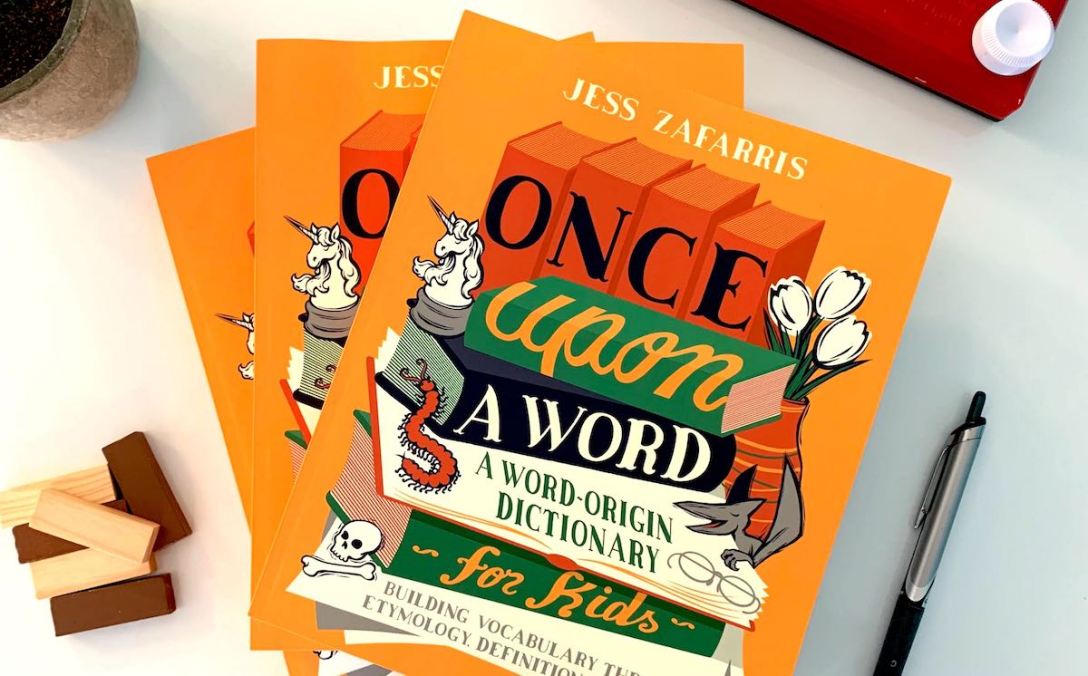
My book, Once Upon a Word: A Word-Origin Dictionary for Kids (Rockridge Press, Feb. 25, 2020), is dedicated to a woman named Nanette Quinn. You can read the dedication below. Let me tell you a bit about Nanette Quinn. When I was in high school, I took French with Nanette Quinn, whom we called Madame… Continue reading On the Importance of Looking Up Words
An Etymological Rivalry: “Protagonist” and “Antagonist”—and Who Came First?
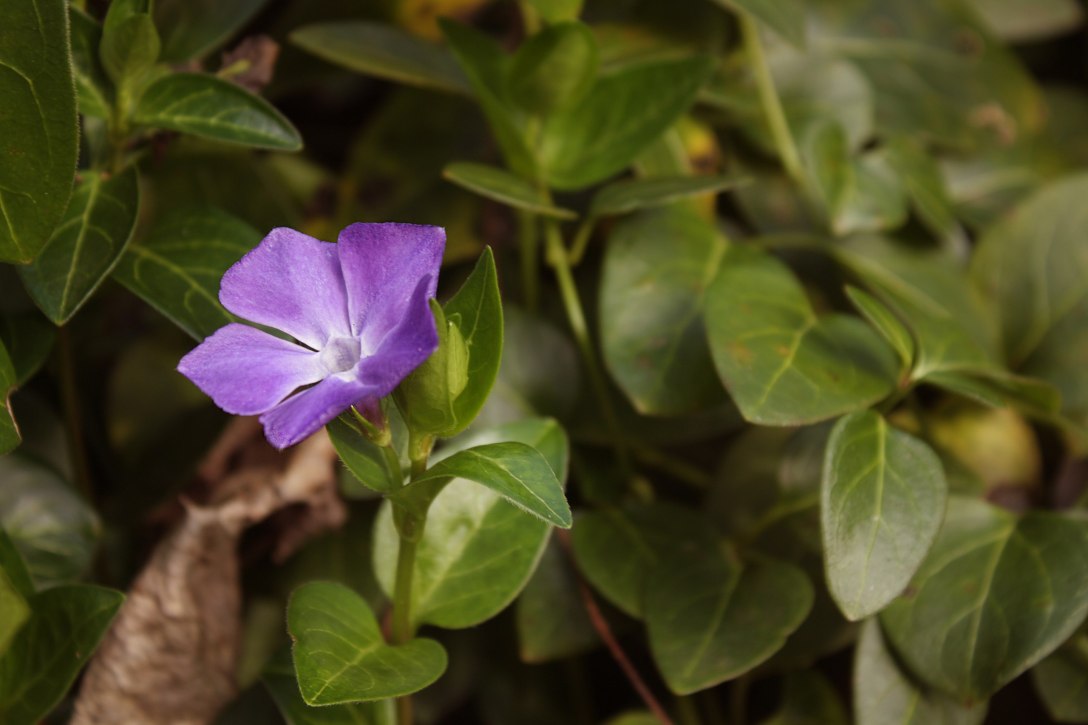
The Etymology of “Periwinkle”
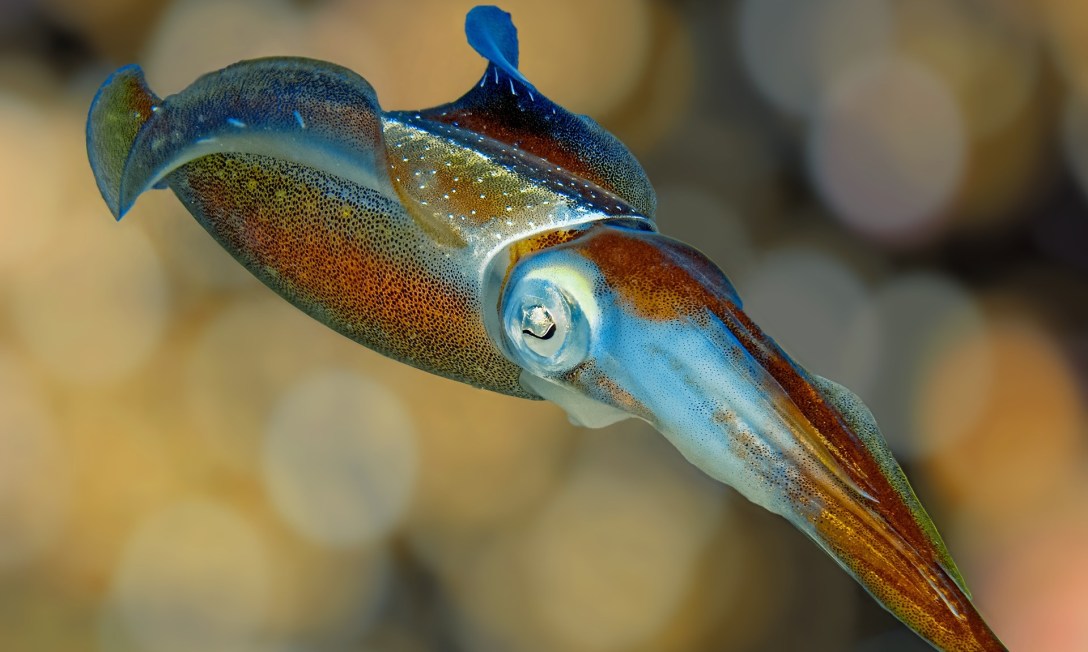
The Etymology of “Squid”
The Loneliest Words: What Are Unpaired Words?
Once Upon a Word: A New Word-Origin Kids Book from the Creator of Useless Etymology
4 Etymology Facts for Jane Austen’s Birthday
December 16 is Jane Austen's birthday, so today we'll explore a few intriguing etymology facts related to her and her wonderful works. The word prejudice first meant "contempt" more broadly, rather than today's sense of a specific bias. It comes from the Medieval Latin prejudicium, "injustice." Our current meaning connects more to the older Latin… Continue reading 4 Etymology Facts for Jane Austen’s Birthday