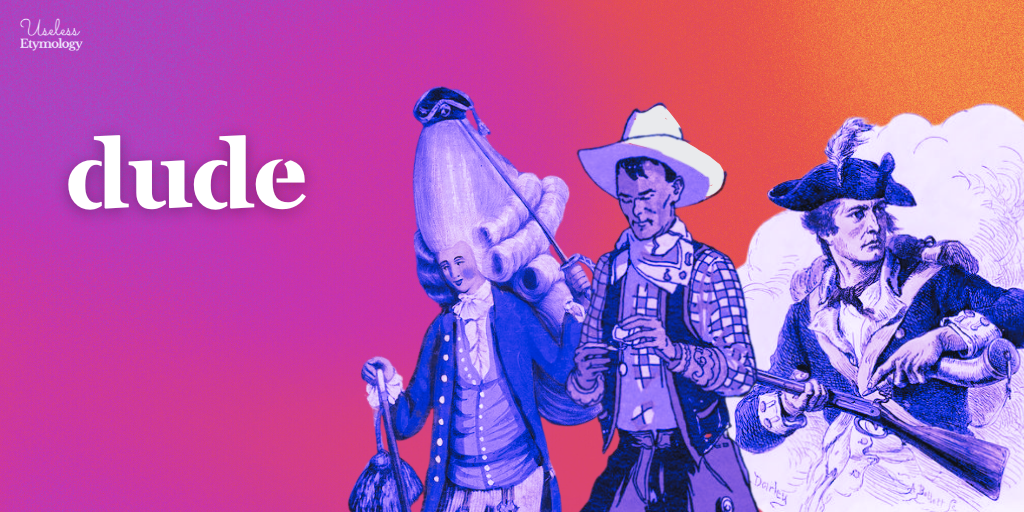
This word first described men—especially Northeasterners—with a penchant for fashion, worldliness, and foreign fare. It also boasts a curious connection to "macaronic language." Hey dude! Ever wonder about the origin of the word “dude”? This word is first recorded in the late 1800s as a word for a man who is foppish and fastidious, meaning… Continue reading The Etymology of “Dude”
Category: Fun Word Facts
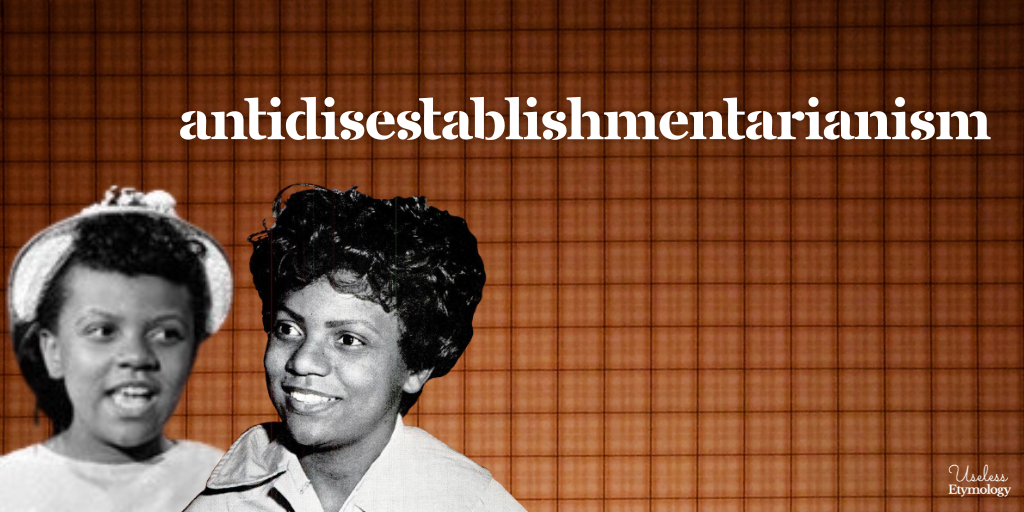
How 12-year-old Gloria Lockerman taught us the word “disestablishmentarianism”
A 12-year-old girl named Gloria Lockerman is the reason you learned the word "antidisestablishmentarianism" when you were a kid. Remember how you and your friends would toss it around, touting it as one of the longest words—if not the longest—in the English language? There are of course many longer words, many of them scientific or… Continue reading How 12-year-old Gloria Lockerman taught us the word “disestablishmentarianism”
Avast! 6 Swashbuckling Word Origins for International Talk Like a Pirate Day
Note: This is an excerpt from my forthcoming book Words from Hell: Unearthing the darkest secrets of English etymology (Chambers, 2023). In honor of International Talk Like a Pirate Day, let's explore the origins of a few piratey terms—albeit fictional ones, in many cases. Many of the terms and phrases we associate with pirates were not recorded… Continue reading Avast! 6 Swashbuckling Word Origins for International Talk Like a Pirate Day
The Word “Outrage” Technically Doesn’t Include “Out” or “Rage”
Note: This is an excerpt from my forthcoming book Words from Hell: Unearthing the darkest secrets of English etymology (Chambers, 2023). Want to know something outrageous? The word “outrage” isn’t etymologically related to the words “out” or “rage.” It has completely different roots. It technically does not even contain the words “out” or “rage.” In fact, it’s… Continue reading The Word “Outrage” Technically Doesn’t Include “Out” or “Rage”
6 Fancy Words for Sexy Things
In my forthcoming book Words from Hell (Chambers 2023), I spend a hefty chapter exploring the origins of all things erotic and naughty. The following excerpt from the book explores some entertaining and enticing terms that you may not have previously encountered—and even if you have, you may enjoy learning about their titillating origins. Bathukolpian… Continue reading 6 Fancy Words for Sexy Things
“Shark” Was a Word for a Terrible Person Before It Was the Name of the Animal
Note: This is an excerpt from my forthcoming book Words from Hell: Unearthing the darkest secrets of English etymology (Chambers, 2023). Sharks were named after terrible people. That’s right. “Shark” was a word for a human before it was a word for a fish. Old English didn’t have a general word for the broad group of… Continue reading “Shark” Was a Word for a Terrible Person Before It Was the Name of the Animal
The Word “Blackmail” Has Nothing to Do With Mail
Note: This is an excerpt from my forthcoming book Words from Hell: Unearthing the darkest secrets of English etymology (Chambers, 2023). Here's a mindbending etymology fact for you: The word “blackmail” originally had nothing to do with mail as in letters, or for that matter, anything else we’d call mail today. In the 1500s and extending… Continue reading The Word “Blackmail” Has Nothing to Do With Mail
A Devilish Etymology Book Igniting This Halloween: WORDS FROM HELL
Purchase my upcoming book and invite book banners across the world to challenge the truths within. The English language is where words go to be tortured and mutilated into unrecognizable shadows of their former selves. It’s where Latin, Greek, and Germanic roots are shredded apart and stitched unceremoniously back together with misunderstood snippets of languages… Continue reading A Devilish Etymology Book Igniting This Halloween: WORDS FROM HELL
Killer Etymology: “Assassin” Literally Means “Hashish-User” (Well… Sort Of)
Note: This is an excerpt from my forthcoming book Words from Hell: Unearthing the darkest secrets of English etymology (Chambers, 2023). As the title says, the word "assassin" literally means “hashish-user”—but it also doesn't “Hashishin,” the “Order of Assassins,” and “Assassins” alone are Western European names for the Nizari Isma'ili state, a sect of Shia… Continue reading Killer Etymology: “Assassin” Literally Means “Hashish-User” (Well… Sort Of)