

The following infographic explores the etymology of various dog breeds.
The following infographic explores the etymology of various dog breeds.

Sarcastic and sardonic are similar, but not precisely the same, in meaning. Sarcastic: "marked by or given to using irony in order to mock or convey contempt." Sardonic: "characterized by bitter or scornful derision; mocking; cynical; sneering: a sardonic grin." The core factor in sarcasm is verbal irony—essentially saying the opposite of what you mean.… Continue reading The SUUPER interesting etymologies of the words “sarcastic” and “sardonic.” 🙄
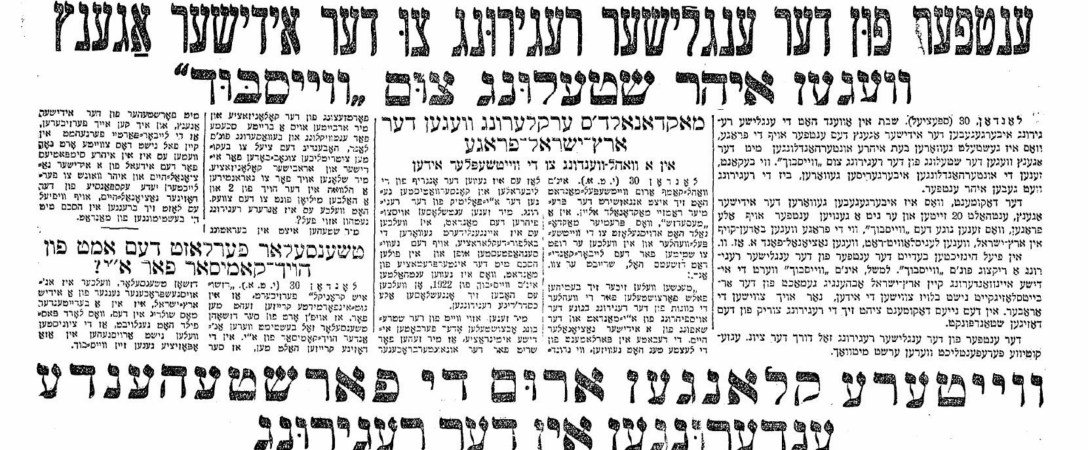
I was today years old when I learned that these English words are—or come from—Yiddish. Other people who are smarter or more Jewish than me probably knew the Yiddish origins of many of them, but color me ignorant. Here's hoping one of them surprises you as much as it did me. L'Chaim! "Maven," an expert… Continue reading 8 English Words That Come from Yiddish
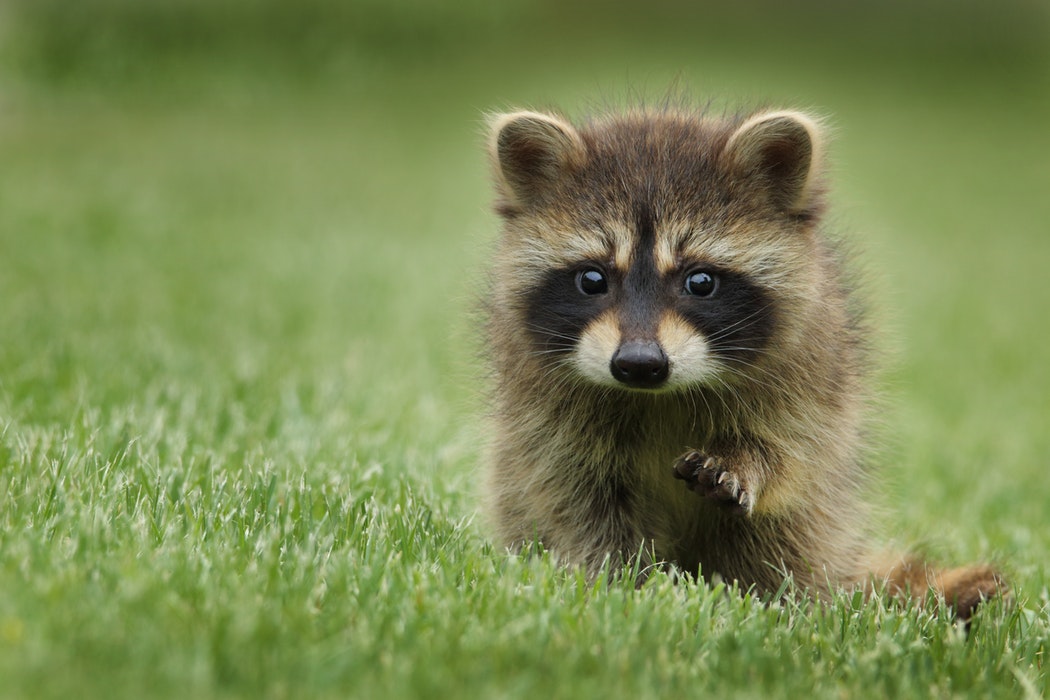
"Raccoon" comes from the Algonquin/Powhatan word arahkunem, meaning "he scratches with the hands," which was first clumsily adapted by English colonists including John Smith. (Also related, "trash panda" is from the internet, circa... 2016 probably.) "Raccoon" is—at least in literature such as Where the Red Fern Grows and colloquial regionalisms—sometimes shortened to "coon," which was also a… Continue reading The Etymology of “Raccoon” and “Coon”

Thomas Keightley described brownies as "a personage of small stature, wrinkled visage, covered with short curly brown hair, and wearing a brown mantle and hood" in his 1823 compendium Fairy Mythology. (Full text of that passage from an 1892 version.) So by that logic the name is based on their clothing, which—considering they were household imps—might… Continue reading The Etymology of “Brownie” (the Impish Variety)
"Grinch" was predictably popularized by Dr. Seuss in 1957, but he was not the first author to use it. Rudyard Kipling included it as an onomatopoetic participle—grinching, or "harsh grating"—in the 1892 poem "The Lament of the Border Cattle Thief." Kipling, of course, is also the author of The Jungle Book. Here's the word in the context… Continue reading The Etymology of “Grinch”
There are all manner of false word origins that get tossed around the web, but one of the more common ones I see is that "slang" is short for "shortened language," and while it's believable, there's no historical record to indicate that this was ever true. (This supposed origin also doesn't entirely make sense because… Continue reading The (Real) Etymology of “Slang”
"Alchemy" is from the Greek khemeioa, which was either from Khemia, a name for Egypt meaning "land of black earth," or the Greek khymatos "that which is poured out." It was often used as a scientific term until the 1600s when "chemistry" arose from it, leaving "alchemy" with its more mystical sense. The al- prefix predictably comes from the definite… Continue reading The Etymology of “Alchemy”

Ambivalence was first a psychological term, literally meaning "strength on both sides." Paul Eugen Bleuler, the psychologist who coined it in 1910, also coined the terms schizophrenia ("a splitting of the mind") and autism (from Greek autos, "self"). Originally coined by Swiss psychologist Paul Eugen Bleuler in 1910, "ambivalence" as a psychological term means much the same… Continue reading The Etymology of Psychological Terms: “Ambivalence,” “Schizophrenia” and “Autism”
