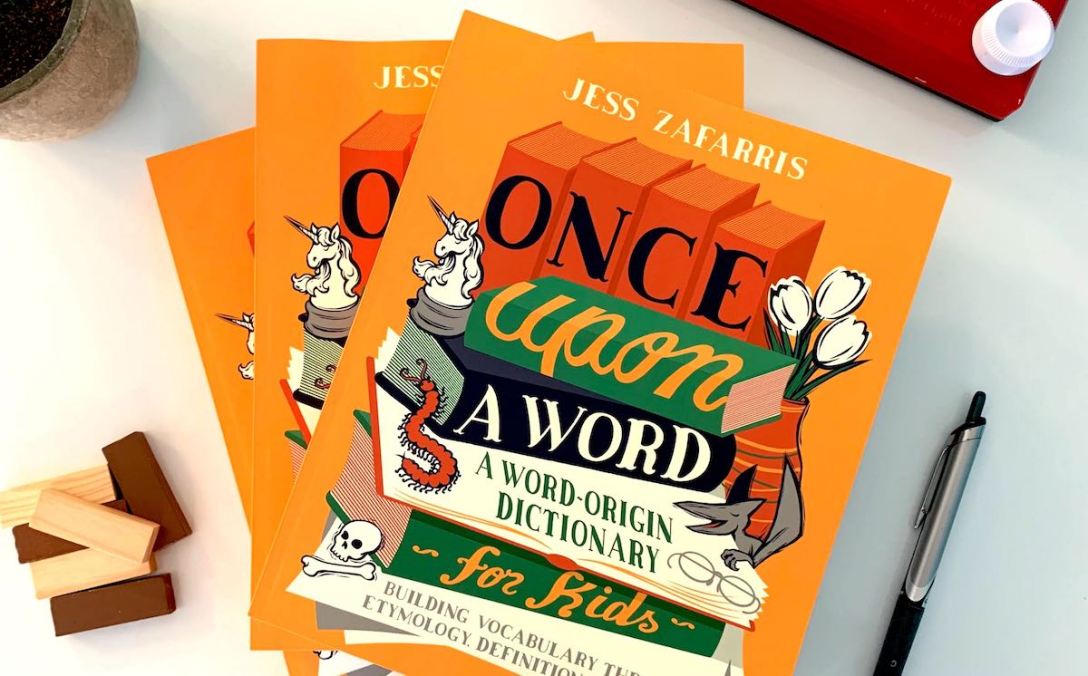
My book, Once Upon a Word: A Word-Origin Dictionary for Kids (Rockridge Press, Feb. 25, 2020), is dedicated to a woman named Nanette Quinn. You can read the dedication below. Let me tell you a bit about Nanette Quinn. When I was in high school, I took French with Nanette Quinn, whom we called Madame… Continue reading On the Importance of Looking Up Words
Author: Jess Zafarris
An Etymological Rivalry: “Protagonist” and “Antagonist”—and Who Came First?
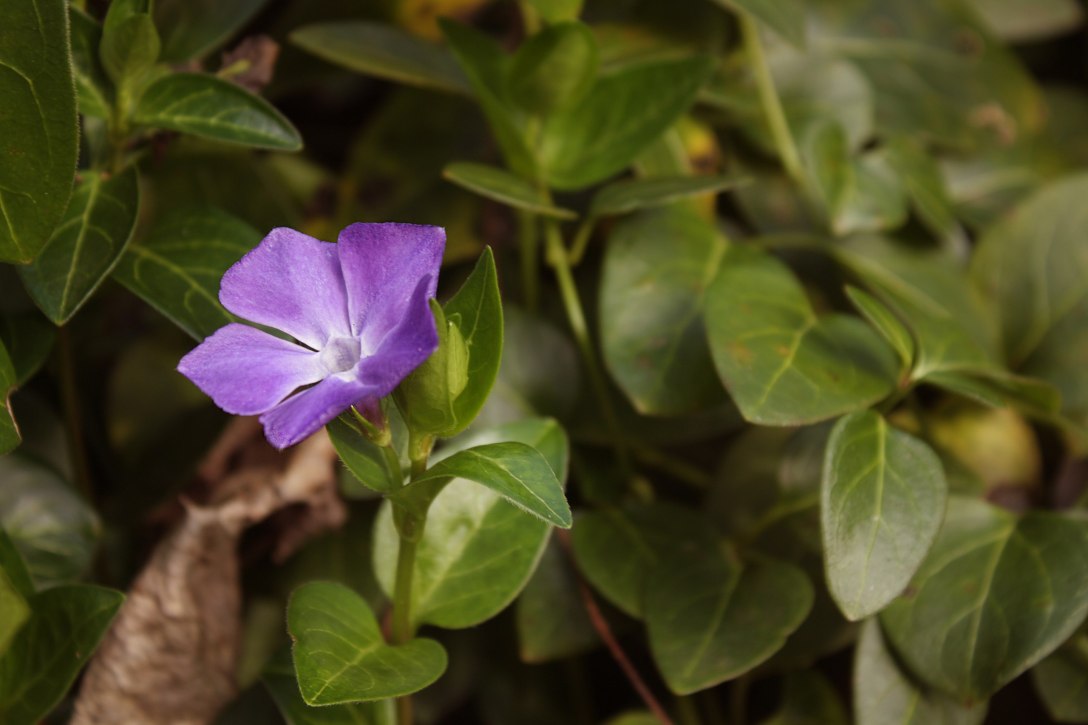
The Etymology of “Periwinkle”
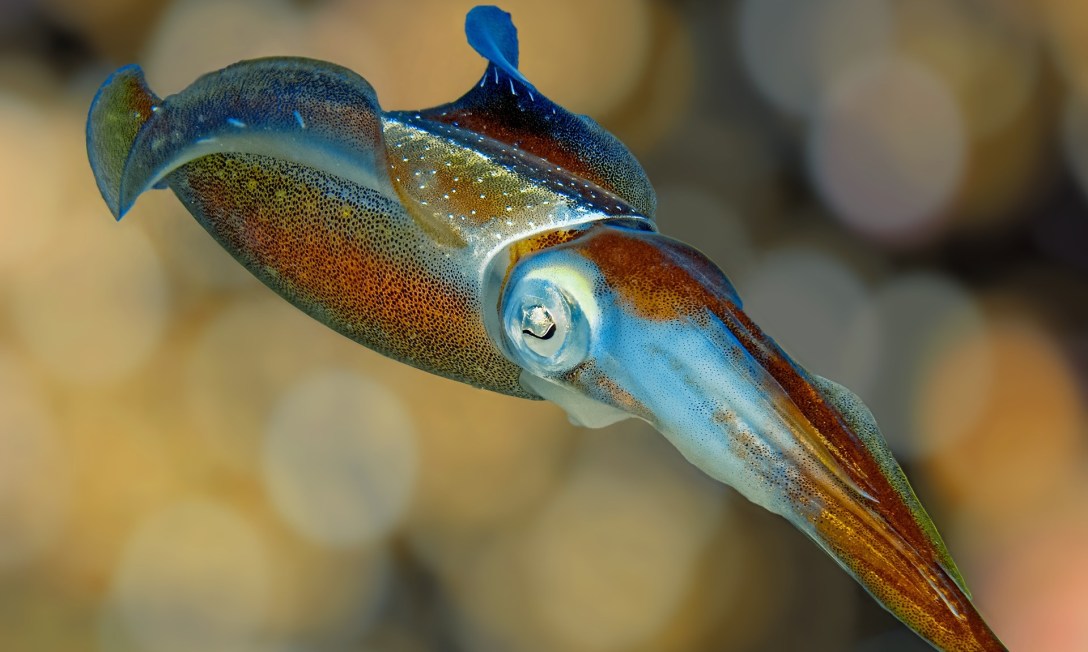
The Etymology of “Squid”
The Loneliest Words: What Are Unpaired Words?
Once Upon a Word: A New Word-Origin Kids Book from the Creator of Useless Etymology
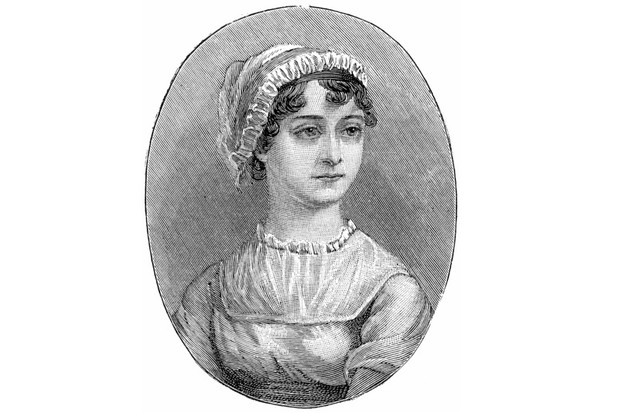
4 Etymology Facts for Jane Austen’s Birthday
December 16 is Jane Austen's birthday, so today we'll explore a few intriguing etymology facts related to her and her wonderful works. The word prejudice first meant "contempt" more broadly, rather than today's sense of a specific bias. It comes from the Medieval Latin prejudicium, "injustice." Our current meaning connects more to the older Latin… Continue reading 4 Etymology Facts for Jane Austen’s Birthday
The Etymology of “Pizzazz”
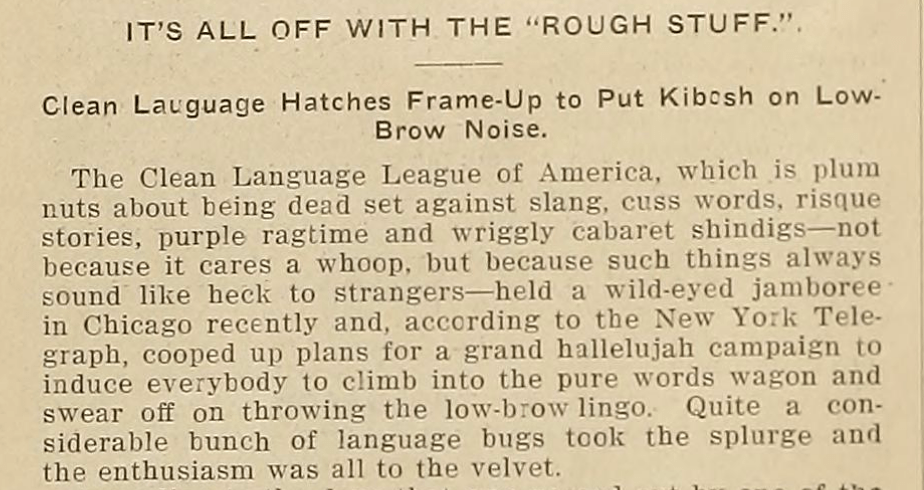
While some sources including etymonline.com say that "pizzazz" (or "pizazz") first appeared in print in a March 1937 issue of Harper's Bazaar, it actually appears earlier in a 1913 issue of The Main Sheet, a largely humorous publication by the Indoor Yacht Club, albeit with a different usage than we see today. It is true… Continue reading The Etymology of “Pizzazz”
The Etymoooology of “Peculiar”
"Peculiar" comes from the Latin peculium, literally "property in cattle," a meaning that lingers in "peculiar to," meaning "belonging solely to." Its "odd" sense arose after the term evolved to mean "distinguished, special," describing a person or thing of great wealth or renown. Peculium was used to describe property in general, for cattle were considered the… Continue reading The Etymoooology of “Peculiar”