Purchase my upcoming book and invite book banners across the world to challenge the truths within. The English language is where words go to be tortured and mutilated into unrecognizable shadows of their former selves. It’s where Latin, Greek, and Germanic roots are shredded apart and stitched unceremoniously back together with misunderstood snippets of languages… Continue reading A Devilish Etymology Book Igniting This Halloween: WORDS FROM HELL
Author: Jess Zafarris
Footwear & Insubordination: The Etymology of “Sabotage”
Note: This is an excerpt from my forthcoming book Words from Hell: Unearthing the darkest secrets of English etymology (Chambers, 2023). The word "sabotage" is derived from the French word saboter, which originally meant “to clumsily bungle something,” but carried the literal meaning “to walk noisily.” The base word sabot arose in the 13th century… Continue reading Footwear & Insubordination: The Etymology of “Sabotage”
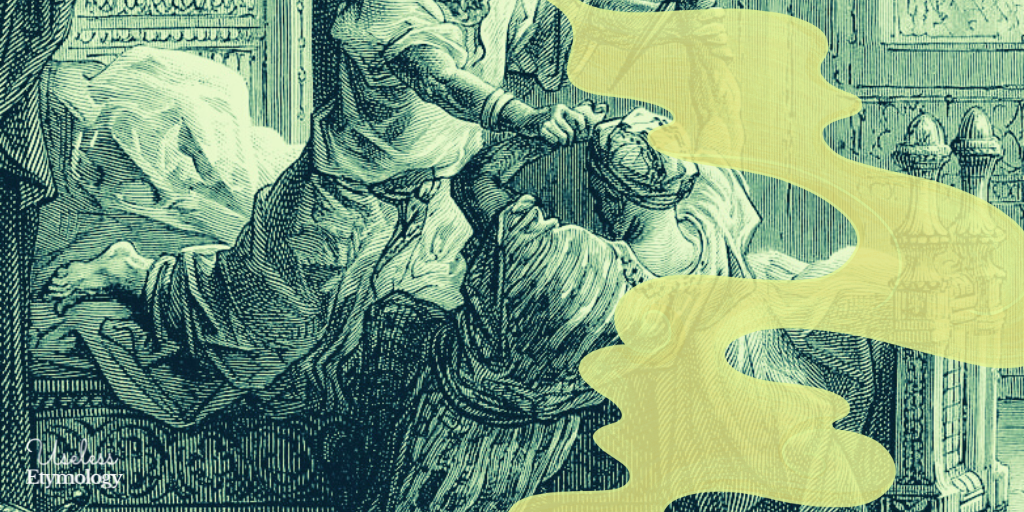
Killer Etymology: “Assassin” Literally Means “Hashish-User” (Well… Sort Of)
Note: This is an excerpt from my forthcoming book Words from Hell: Unearthing the darkest secrets of English etymology (Chambers, 2023). As the title says, the word "assassin" literally means “hashish-user”—but it also doesn't “Hashishin,” the “Order of Assassins,” and “Assassins” alone are Western European names for the Nizari Isma'ili state, a sect of Shia… Continue reading Killer Etymology: “Assassin” Literally Means “Hashish-User” (Well… Sort Of)
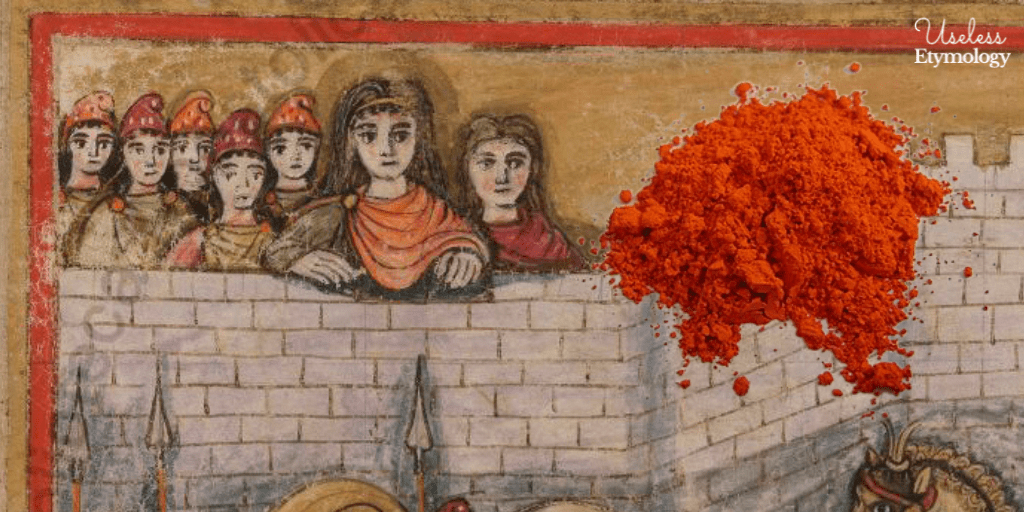
“Miniature” Secretly Has More to Do With Color Than With Size
Consider this: What is "mini" short for? You could argue that it's short for "minuscule" or "minimum." That would mean it's related to "minus" and "minor," which are direct adoptions from Latin, in which minus and minor mean "small" or "less." But in most uses, "mini" is short for "miniature." A mini dog breed, or… Continue reading “Miniature” Secretly Has More to Do With Color Than With Size
The Origin of Be- as a Prefix: Beknowing a Befuddling Feature of English
Have you ever considered the prefix be- in words such as begrudge, bespectacled, and bejeweled? What exactly does it mean? A lot of things, as it turns out. This Old English prefix is not related to the verb “be,” but it is related to the preposition “by,” and it is quite the lexical workhorse. Its… Continue reading The Origin of Be- as a Prefix: Beknowing a Befuddling Feature of English
The Word “Escalator” Is Older than “Escalate” and Other Quirks of Back-Formations
One of my favorite sets of mindbending etymological facts is that: A) The word "escalate" didn't exist before the invention of the escalator. B) The word "escalade," which is not originally a brand name for a Cadillac SUV, did exist as early as the 1500s as a word for scaling fortifications with ladders. Yes, really.… Continue reading The Word “Escalator” Is Older than “Escalate” and Other Quirks of Back-Formations
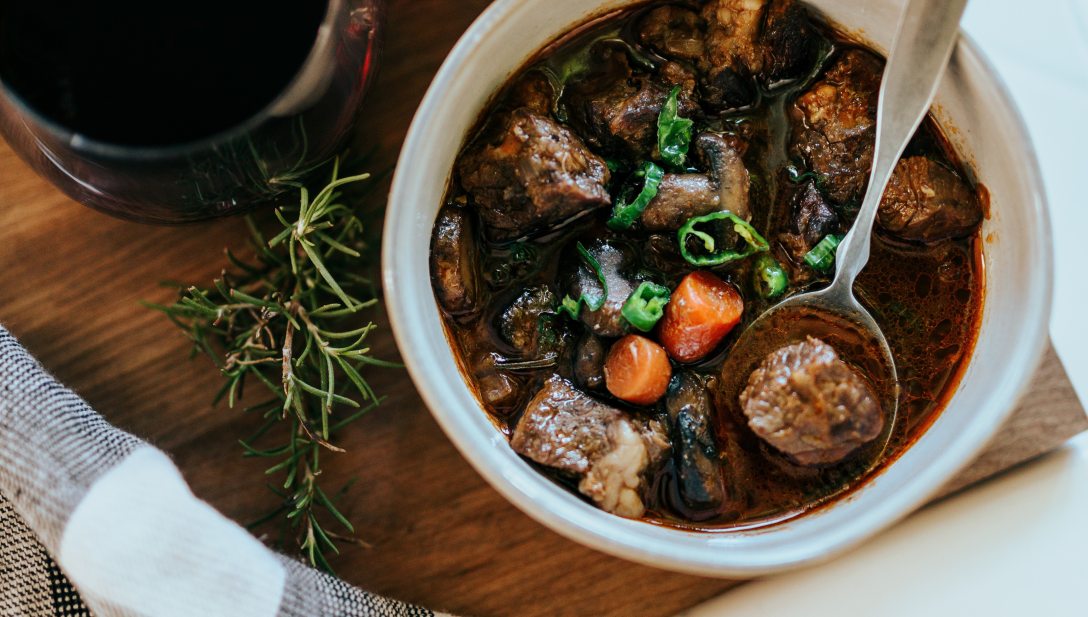
Edible Words of Random Assortment: Hodgepodge, Potpourri, Gallimaufry, and Salmagundi
There are several interesting words in English that were once words for recipes and ended meaning “an assortment of random things.” Hodgepodge The word "hodgepodge" has been around since the 14th century. At the time, it was a word for "a kind of stew," especially "one made with goose, spices, wine, and other miscellaneous ingredients.” … Continue reading Edible Words of Random Assortment: Hodgepodge, Potpourri, Gallimaufry, and Salmagundi
The Etymology of “Mystery”
The word "mystery" and its cousin “mystic” both trace back to Latin and Greek words (mysterium and mysteria) for secrets, especially religious rites performed by secret orders. The Greek root myein means "to close" or "to shut." Even in English, "mystery" was first used in a theological context, referring to divine revelations and mystical truths, but it… Continue reading The Etymology of “Mystery”
An Elocution of of Etymologists: Animal Collectives, Nouns of Assembly or Terms of Venery
You’ve probably heard of collective nouns for animals like a herd of cattle or a murder of crows—or perhaps… a prickle of porcupines a flamboyance of flamingoes an ambush of tigers an exaltation of larks a dazzle of zebras These are called nouns of assembly or terms of venery, where "venery" is a word for… Continue reading An Elocution of of Etymologists: Animal Collectives, Nouns of Assembly or Terms of Venery