
"Jargon," adopted from French in the 14th century, originally meant "unintelligible talk, gibberish; chattering, jabbering." It wryly took on its current meaning, "phraseology peculiar to a sect or profession," in the 1650s due to the fact that such speech was unintelligible to outsiders. Incidentally, the unintelligible sense of "jargon" also arose around the same time as the… Continue reading The Etymologies of “Jargon,” “Jabber,” and “Gibberish”
The Etymology of “Barricade”
"Barricade" came to English via the Middle French barricade, literally meaning "made of barrels." Its association with war and revolution comes from religion-fueled riots in Paris during the late 1500s, when combatants set up blockades made of stone- and dirt-filled barrels in the streets. These riots were part of the French Wars of Religion, fought between French… Continue reading The Etymology of “Barricade”
The Etymology of “Clone”
"Clone" as a term for the production of genetically identical individuals was coined in 1963 by J.B.S. Haldane. It was predated by the horticultural sense of "clon" or "clone," the process whereby a new plant is created using cuttings from another. Both are from the Ancient Greek klōn, "twig." In botany, "clon" was first used in the… Continue reading The Etymology of “Clone”
The Etymology of “Tabby (Cat)”
The word "tabby" came to refer to cats in the 1690s due to their fur pattern, which resembles a striped silk taffeta also called tabby, originally (via French) from the name of the Baghdad neighborhood Attabiy, where rich silks were made. The area was named after the Umayyad prince Attab. Tabis, the French word from… Continue reading The Etymology of “Tabby (Cat)”
The Etymology of “Matador” … and “Checkmate” … “and Check” (I Swear They’re Related)
I wanted to know the origin of the word "matador," so I looked it up and fell down a crazy etymological rabbit hole. First of all, "matador" means "killer," from matar, "to kill." While it's most likely from the Latin mactare "to kill," it could be from the Arabic mata "he died," from Persian, which… Continue reading The Etymology of “Matador” … and “Checkmate” … “and Check” (I Swear They’re Related)
The Etymology of “Moonshine”
"Moonshine" (unaged spirits illicitly distilled "by the light of the moon") is thought to be inspired by "moonrakers," a name for apocryphal English brandy smugglers who raked up kegs from ponds. When caught, they pretended to be fools attempting to rake cheese from the reflection of the moon. Moonshine, obviously, first referred to the literal light of… Continue reading The Etymology of “Moonshine”
The Etymology of “Moxie”
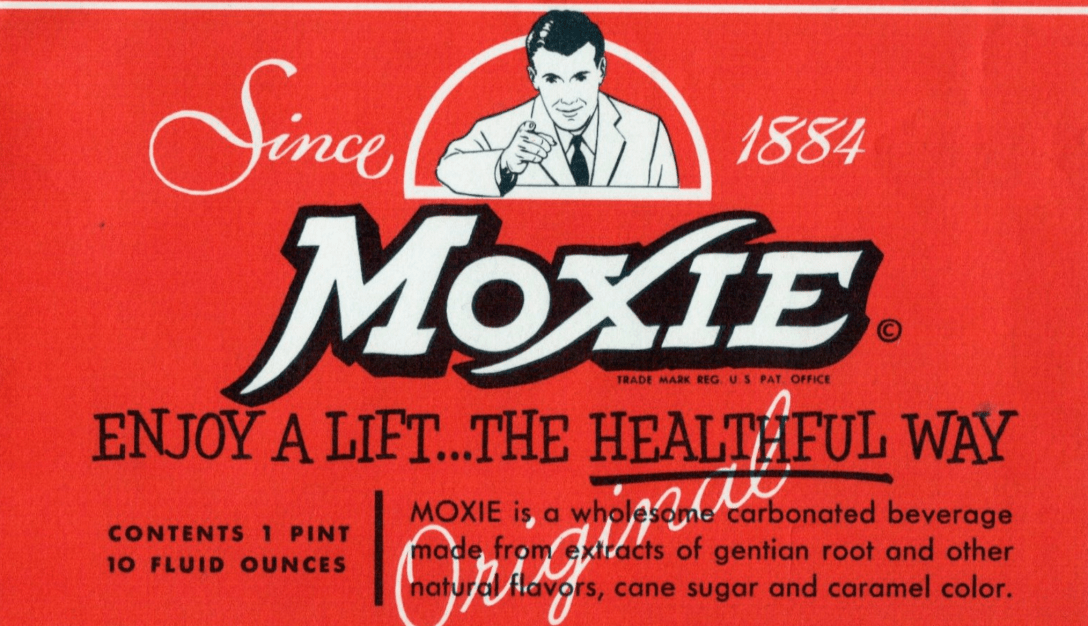
“Moxie,” used generally from 1930, comes from the brand name of a bitter syrup first marketed as the medicine “Moxie Nerve Food” in 1876, then sold as a soft drink starting in 1884. The brand may be from a Native American Abenaki word for “dark water,” from Maine lake and river names.
The Etymology of “Dandelion”
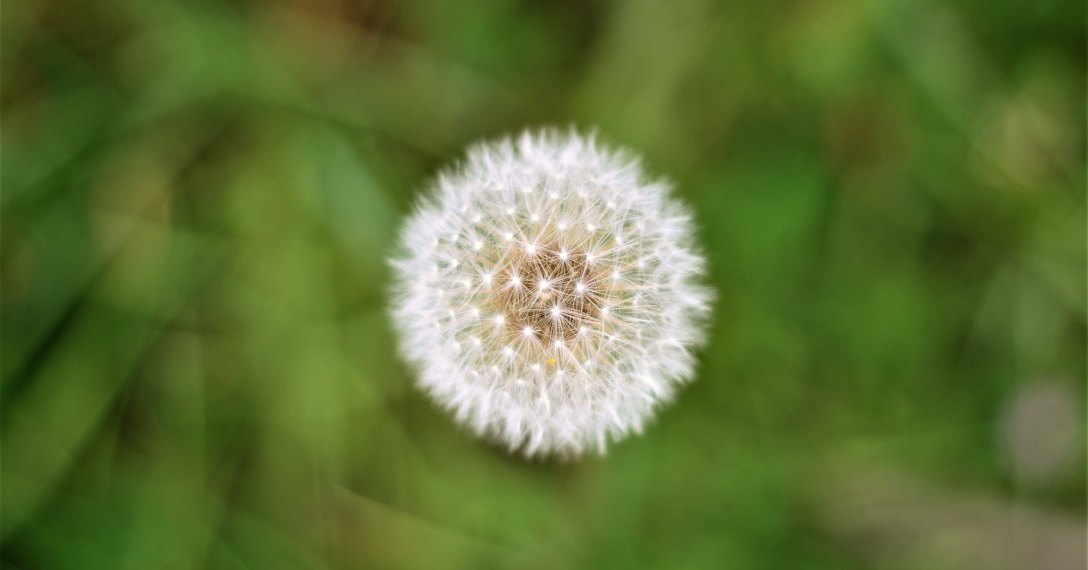
In the early 14th century, "dandelion" was spelled dent-de-lioun, literally "lion's tooth," a direct loan from French, but over time, colloquial use morphed it into the current spelling. Here's an image of the leaf-shape to which the name refers. Regarding some of its other English names: Tell-time refers to the practice of determining the time by picking mature white… Continue reading The Etymology of “Dandelion”
The Etymology of “Hysteria”
Derived from the Greek and Latin words for uterus, hysteria was an extremely common, catch-all medical diagnosis that more or less meant that the patient had a case of the Lady Crazies. But as the news has taught us, mass hysteria isn't limited to people with uteruses (or uteri, depending on your school of Latin… Continue reading The Etymology of “Hysteria”
 Useless Etymology