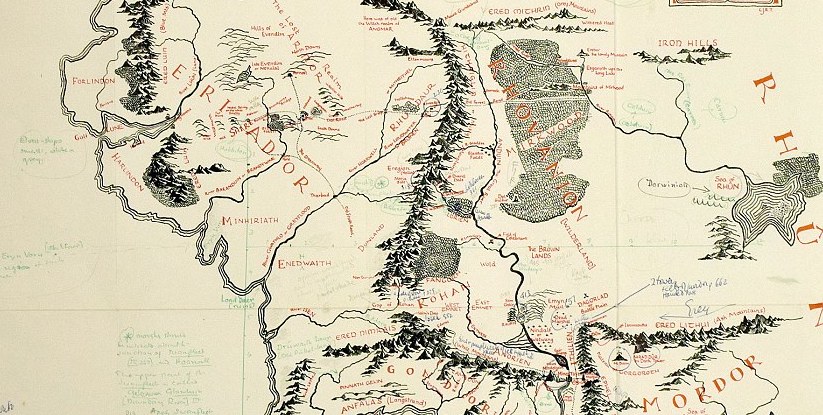
Words Revived, Adapted and Coined by J.R.R. Tolkien

In honor of Tolkien's birthday on January 3, I rounded up this selection of words coined by Tolkien, or words that were otherwise revived or adapted for his works. Find out more fascinating information about the featured image here. Hobbit: Tolkien officially coined this word in 1937 with the publication of The Hobbit, but the word… Continue reading Words Revived, Adapted and Coined by J.R.R. Tolkien

The Etymology of “Arctic” and “Antarctic” (and a Bit About “Bear”)

"Arctic" is from the Greek arktos, "bear," because the constellation Ursa Major, "the greater she-bear" (also known as the Big Dipper), is always visible in the northern polar sky. "Antarctic," therefore, literally means "opposite the bear." By force of pure serendipity, polar bears reside at the North Pole but not the South, making the Antarctic… Continue reading The Etymology of “Arctic” and “Antarctic” (and a Bit About “Bear”)

The Etymology of “Resolution”

"Resolution" is from the Latin solvere "to loosen, release, explain." Its original meaning "a breaking into parts," has remained as it developed the sense of solving a conflict, and of image detail. The term "New Year's resolution" (1780s) drew from the "determined" sense of the word ("resolute"). Resolution's earliest 14th century definition drew from its… Continue reading The Etymology of “Resolution”

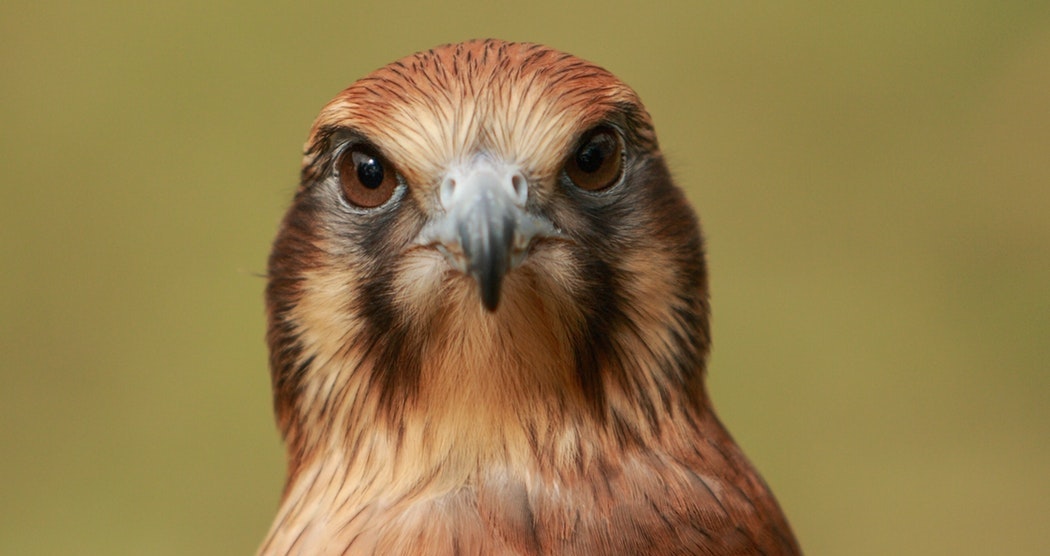
The Etymology of “Falcon”

"Falcon" is from the Latin falx, "curved blade, pruning hook, sickle, war-scythe." For many years "falcon" referred to females while "tercel" (Latin tertius, "third") referred to males, perhaps because males are a third smaller or because a third egg in the nest was thought to always produce a male. "Falcon" arose in 13th-century English as… Continue reading The Etymology of “Falcon”

The Etymology of “Chauvinism”

"Chauvinism" comes from the name of Nicolas Chauvin, one of Napoleon's most zealous and vocal supporters, even long after the Napoleonic Wars concluded. However, he may have been an entirely fictional, blindly nationalistic Bonapartist character who appeared in vaudeville and stories from the mid-1800s. The word chauvinism is defined today as excessive and aggressive nationalism,… Continue reading The Etymology of “Chauvinism”

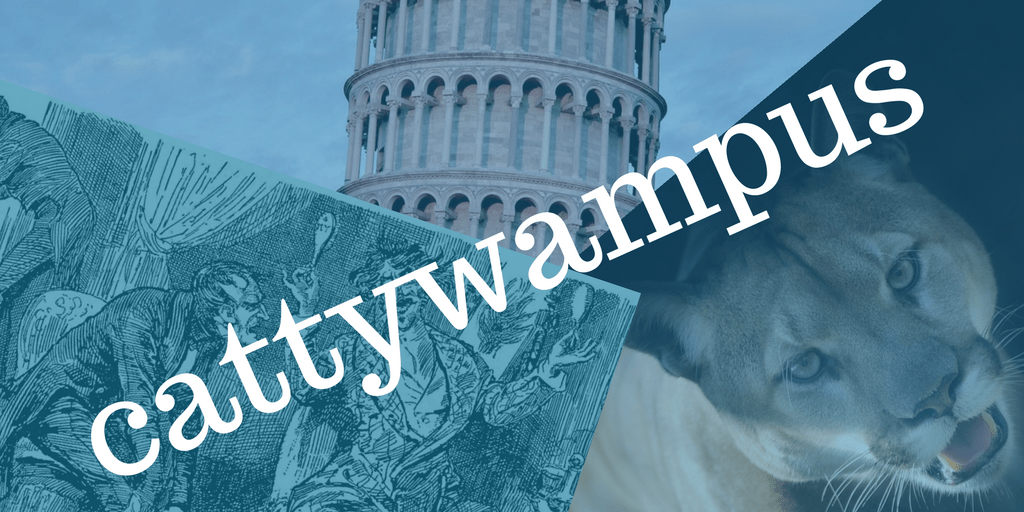
The Etymology of “Cattywampus”

"Cattywampus" (1834) has held a variety of meanings and spellings, including as an adverb (catawampusly) meaning "completely/utterly/avidly," a name for a fantastical imp-like creature or a mountain lion, and an adjective meaning "askew," from obsolete "cater," from the Greek prefix kata- (downward, toward), and perhaps from the old Scottish slang wampish (to wriggle or twist… Continue reading The Etymology of “Cattywampus”