
"Resolution" is from the Latin solvere "to loosen, release, explain." Its original meaning "a breaking into parts," has remained as it developed the sense of solving a conflict, and of image detail. The term "New Year's resolution" (1780s) drew from the "determined" sense of the word ("resolute"). Resolution's earliest 14th century definition drew from its… Continue reading The Etymology of “Resolution”
Month: December 2017
The Etymology of “Shiver”
The word "shiver" originally referred to a small piece, fragment, or splinter of something, or to the act of breaking something into many small pieces. Hence, "shiver my/me timbers" refers to the splintering of wooden ships upon rough seas. The "splinter" sense of "shiver" arose c. 1200 as both a noun and a verb, likely… Continue reading The Etymology of “Shiver”
The Etymology of “Falcon”
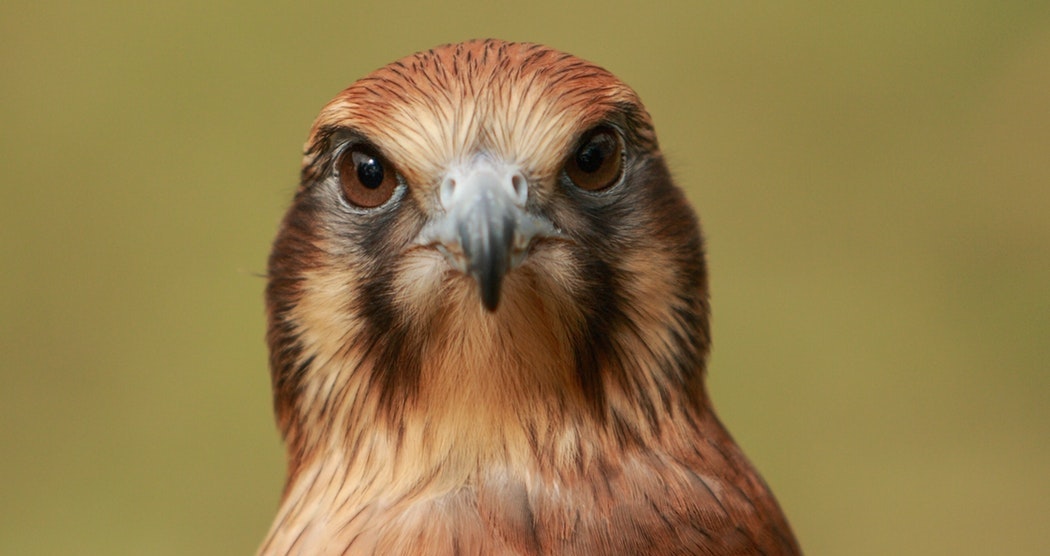
"Falcon" is from the Latin falx, "curved blade, pruning hook, sickle, war-scythe." For many years "falcon" referred to females while "tercel" (Latin tertius, "third") referred to males, perhaps because males are a third smaller or because a third egg in the nest was thought to always produce a male. "Falcon" arose in 13th-century English as… Continue reading The Etymology of “Falcon”
The Etymology of “Chauvinism”
"Chauvinism" comes from the name of Nicolas Chauvin, one of Napoleon's most zealous and vocal supporters, even long after the Napoleonic Wars concluded. However, he may have been an entirely fictional, blindly nationalistic Bonapartist character who appeared in vaudeville and stories from the mid-1800s. The word chauvinism is defined today as excessive and aggressive nationalism,… Continue reading The Etymology of “Chauvinism”
The Etymology of “Frolic”
"Frolic" ("make merry, have fun, romp playfully") comes from the Middle Dutch vrolyc "happy," which is a combination of vro- "merry, glad" + lyc "like" (as in "similar"). The PIE root (*preu- "to hop"), also the root of "frog," gives "frolic" the sense of "jumping for joy." Sometimes appearing with the spelling "frolick," especially in… Continue reading The Etymology of “Frolic”
The Etymology of “Coward”
Coward comes from the Old French word coart, from the Latin coda or cauda, meaning "tail (of an animal)." As a result, the word likely came to imply fear in a metaphorical sense—an animal's tail tucked between its legs. Those familiar with musical notation will also recognize coda as the word for the concluding—or tail-end—passage… Continue reading The Etymology of “Coward”
The Etymology of “Cattywampus”

"Cattywampus" (1834) has held a variety of meanings and spellings, including as an adverb (catawampusly) meaning "completely/utterly/avidly," a name for a fantastical imp-like creature or a mountain lion, and an adjective meaning "askew," from obsolete "cater," from the Greek prefix kata- (downward, toward), and perhaps from the old Scottish slang wampish (to wriggle or twist… Continue reading The Etymology of “Cattywampus”
The Etymology of “Serendipity”
The word "serendipity" was coined in 1754 by Horace Walpole. He drew it from an English variation of the Persian fairy tale "The Three Princes of Serendip," which was about three princes who always made discoveries that they were not looking for on their adventures. "Serendip" is the Old Persian name for Sri Lanka, originally… Continue reading The Etymology of “Serendipity”
The Etymology of “Bandicoot”
Bandicoot (yes, that's a real animal) is from 1789, and was originally an English corruption of the Telugu (a language native to India) word pandi-kokku, meaning "pig-rat." It first referred to a few different varieties of Indian and Asian rat known for their destructiveness and (often) large size. It wasn't until 1827 that several species of… Continue reading The Etymology of “Bandicoot”
