The Etymology of “Scalawag” (or “Scallywag”)

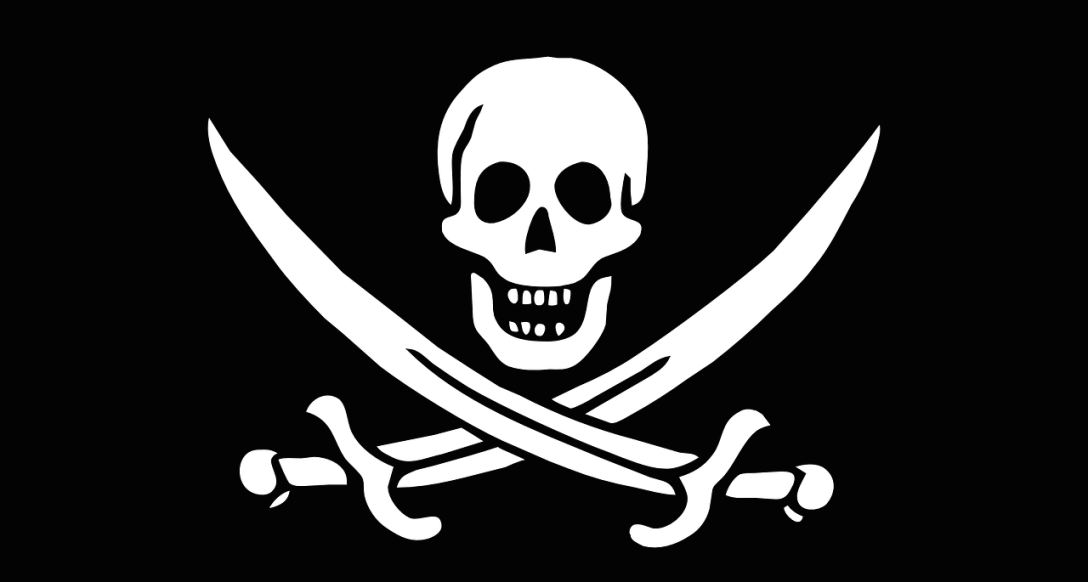
While it always held the connotation of “disreputable fellow,” “scalawag” first referred to trade unionists, ponies, and post-Civil War anti-Confederate Southern white people; it held no association with pirates until it appeared in novels and plays about seafaring swashbucklers the late 1800s. Scalawag—also spelled scallawag or scallywag, if you prefer—is a remarkable term. Not only… Continue reading The Etymology of “Scalawag” (or “Scallywag”)

The Etymology of “Dizzy”

The word "dizzy" evolved from the Old English dysig, meaning "foolish, stupid," from the Proto-Germanic dusijaz and perhaps from the PIE dheu-, "dust, vapor, smoke; to rise in a cloud," suggesting "defective perception or wits." Its swimmy-headed sense arose in the 14th century. Some early English translations of the Bible refer to the foolish virgins… Continue reading The Etymology of “Dizzy”

The Etymology of “Porcupine”

"Porcupine," formerly "porke despyne," comes from the Old French porc-espin, literally "spiny pig" or "thorny pig," from Latin porcus "hog" (from PIE root porko- "young pig") + spina, "thorn, spine." Much like raccoon, the word porcupine has been subject to all manner of letter-salad spellings, including portepyn, porkpen, porkenpick, porpoynt, and porpentine (which appears in… Continue reading The Etymology of “Porcupine”

The Etymology of “Hyperbole”

The word "hyperbole" (an obvious or extreme exaggeration) is via Latin, from the Greek hyperbole, which was used to mean "exaggeration, extravagance" but literally meant "a throwing beyond." The Greek hyperbole is formed of hyper- "beyond" + bole "a throwing, a casting, the stroke of a missile, bolt, beam." Bole is the nominative stem of ballein, "to throw,"… Continue reading The Etymology of “Hyperbole”