
"Frolic" ("make merry, have fun, romp playfully") comes from the Middle Dutch vrolyc "happy," which is a combination of vro- "merry, glad" + lyc "like" (as in "similar"). The PIE root (*preu- "to hop"), also the root of "frog," gives "frolic" the sense of "jumping for joy." Sometimes appearing with the spelling "frolick," especially in… Continue reading The Etymology of “Frolic”
The Etymology of “Coward”
Coward comes from the Old French word coart, from the Latin coda or cauda, meaning "tail (of an animal)." As a result, the word likely came to imply fear in a metaphorical sense—an animal's tail tucked between its legs. Those familiar with musical notation will also recognize coda as the word for the concluding—or tail-end—passage… Continue reading The Etymology of “Coward”
The Etymology of “Cattywampus”

"Cattywampus" (1834) has held a variety of meanings and spellings, including as an adverb (catawampusly) meaning "completely/utterly/avidly," a name for a fantastical imp-like creature or a mountain lion, and an adjective meaning "askew," from obsolete "cater," from the Greek prefix kata- (downward, toward), and perhaps from the old Scottish slang wampish (to wriggle or twist… Continue reading The Etymology of “Cattywampus”
The Etymology of “Serendipity”
The word "serendipity" was coined in 1754 by Horace Walpole. He drew it from an English variation of the Persian fairy tale "The Three Princes of Serendip," which was about three princes who always made discoveries that they were not looking for on their adventures. "Serendip" is the Old Persian name for Sri Lanka, originally… Continue reading The Etymology of “Serendipity”
The Etymology of “Bandicoot”
Bandicoot (yes, that's a real animal) is from 1789, and was originally an English corruption of the Telugu (a language native to India) word pandi-kokku, meaning "pig-rat." It first referred to a few different varieties of Indian and Asian rat known for their destructiveness and (often) large size. It wasn't until 1827 that several species of… Continue reading The Etymology of “Bandicoot”
The Etymology of “Humor”
Basically humor = "liquid, moistness", from Latin, and it most commonly referred to four bodily fluids (humors) that were thought to control human emotion and temperament. It didn't come to refer to something funny or comedic until the 1680s. Read on if you want more info because I fell down an etymological chasm dripping with… Continue reading The Etymology of “Humor”
The Etymology of “Pedigree”
Pedigree was originally a 15th-century word meaning "genealogical table or chart." It still holds the same meaning, but its contemporary use is typically more general—"ancestral line; lineage; ancestry"—and often refers to animal breeding. It comes from the Old French phrase pied de gru, meaning "foot of a crane." It was so called because in ancestral manuscripts, the… Continue reading The Etymology of “Pedigree”
The Etymology of “Dingbat”
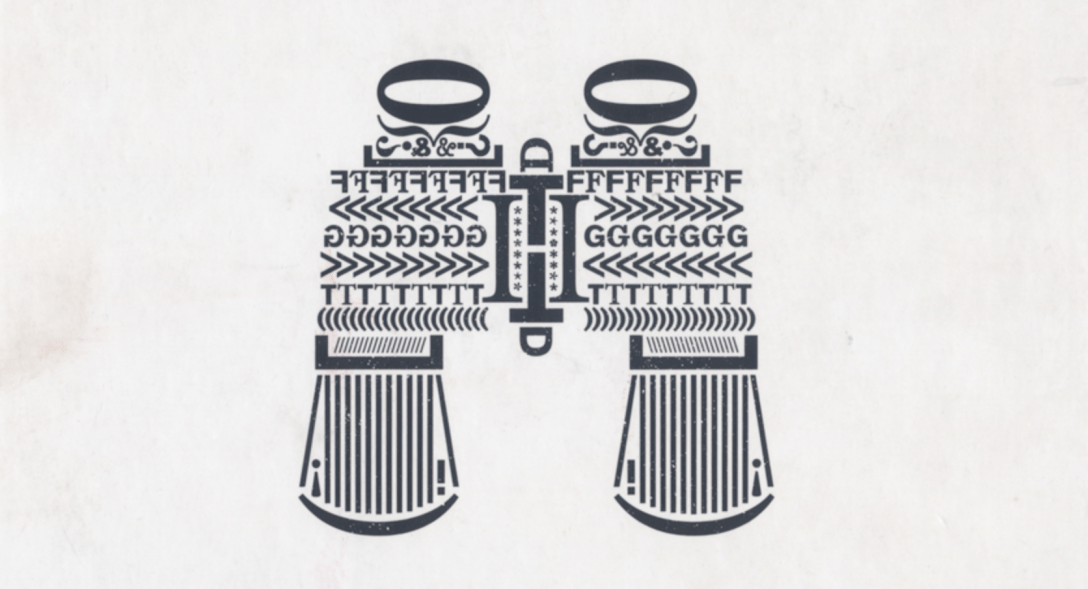
A word with an incredibly diverse variety of meanings and applications, dingbat first referred to an alcoholic drink in 1838. It quickly developed a meaning similar to words such as “doohickey,” “gizmo” and “thingamabob,” which supply terms for items with unknown names. Throughout the next century and a half, dingbat came to denote a vast… Continue reading The Etymology of “Dingbat”
The Etymology of “Funk”
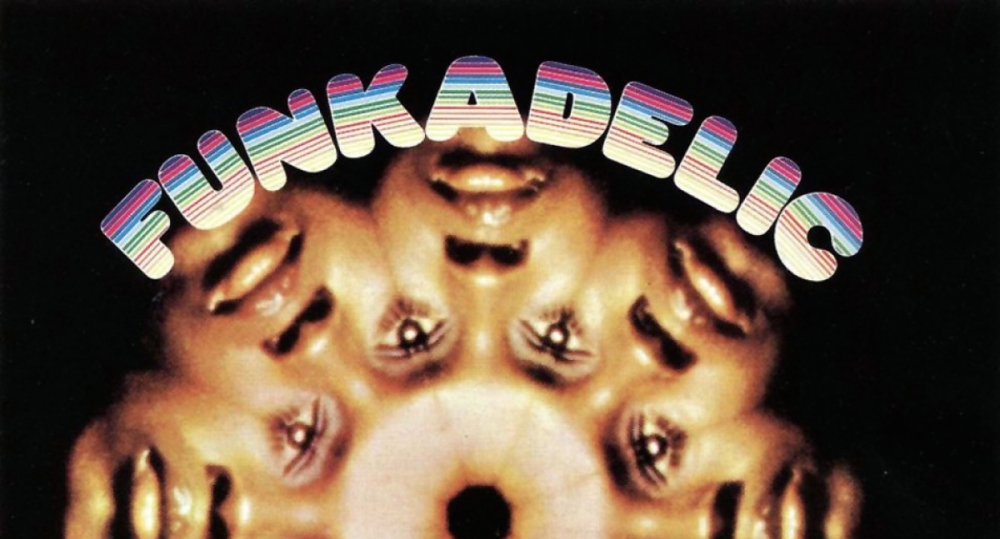
Derived in part from French and Latin words for "smoke" (as in smoked cheese), the word "funk" has held a vast array of definitions since the 14th century, variously meaning: a spark, a cowering state of fear, an ill humor, a pungent odor (as of cheese), and, of course, a funky fresh American musical genre… Continue reading The Etymology of “Funk”
 Useless Etymology