
Derived from the Greek and Latin words for uterus, hysteria was an extremely common, catch-all medical diagnosis that more or less meant that the patient had a case of the Lady Crazies. But as the news has taught us, mass hysteria isn't limited to people with uteruses (or uteri, depending on your school of Latin… Continue reading The Etymology of “Hysteria”
Month: January 2018
The Etymology of “Geyser”
The English word "geyser" was adopted from "Geysir," meaning "the gusher," originally the proper name of a specific hot spring in Iceland. With time and general lack of understanding by English-speaking visitors, it became a general word for spouting hot springs. The English word geyser was adopted from the Icelandic word Geysir, the name of one specific… Continue reading The Etymology of “Geyser”
The Etymology of “Cartoon”
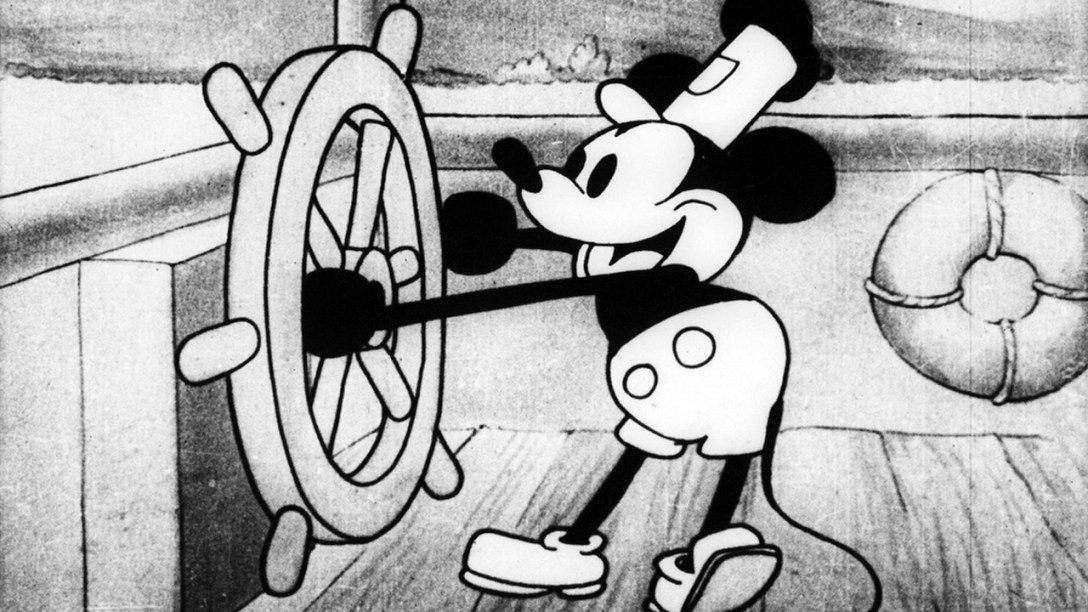
"Cartoon" (1670s) first referred to the heavy paper on which preliminary sketches for artwork were made. While political cartoons and caricatures (literally "an overloading," from caricare "to load; exaggerate") are much older, "cartoon" was applied to them around 1843, then to animations c. 1916. The Italian word cartone—which also influences the contemporary word "carton" (as in… Continue reading The Etymology of “Cartoon”
The Etymology of “Feisty”
"Feisty" comes from a Middle English/Proto-Germanic word for "fart," and also implies "farty dog." Feisty, which today can mean "lively, determined and courageous" or "touchy and aggressive" (especially when referring to a smallish animal or person), arose in American English around 1896. Prior to that, the word feist was an early 19th-century term for "small dog." While… Continue reading The Etymology of “Feisty”
Words Revived, Adapted and Coined by J.R.R. Tolkien
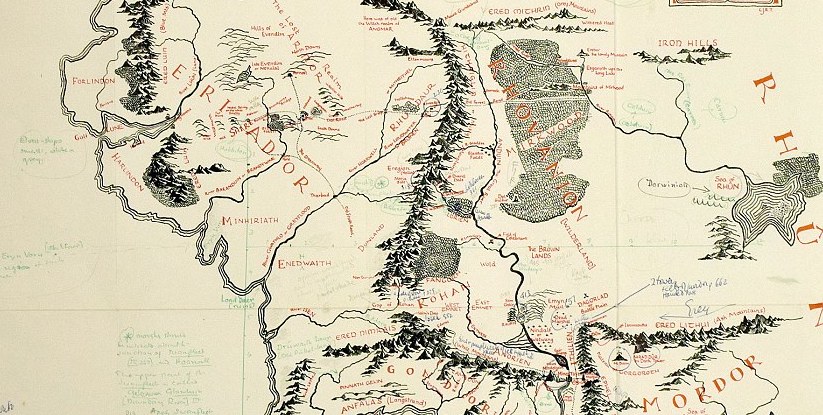
In honor of Tolkien's birthday on January 3, I rounded up this selection of words coined by Tolkien, or words that were otherwise revived or adapted for his works. Find out more fascinating information about the featured image here. Hobbit: Tolkien officially coined this word in 1937 with the publication of The Hobbit, but the word… Continue reading Words Revived, Adapted and Coined by J.R.R. Tolkien
The Etymology of “Arctic” and “Antarctic” (and a Bit About “Bear”)
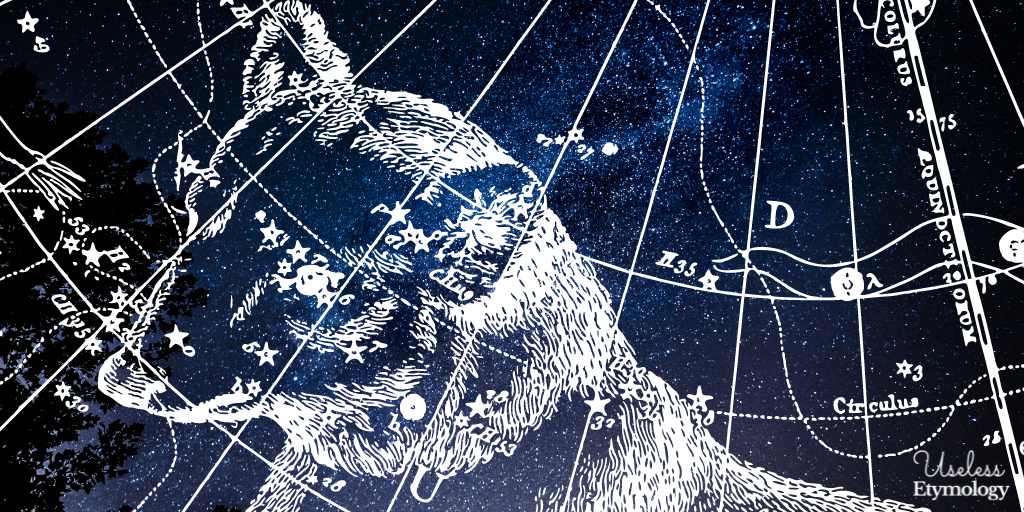
"Arctic" is from the Greek arktos, "bear," because the constellation Ursa Major, "the greater she-bear" (also known as the Big Dipper), is always visible in the northern polar sky. "Antarctic," therefore, literally means "opposite the bear." By force of pure serendipity, polar bears reside at the North Pole but not the South, making the Antarctic… Continue reading The Etymology of “Arctic” and “Antarctic” (and a Bit About “Bear”)
