
Basically humor = "liquid, moistness", from Latin, and it most commonly referred to four bodily fluids (humors) that were thought to control human emotion and temperament. It didn't come to refer to something funny or comedic until the 1680s. Read on if you want more info because I fell down an etymological chasm dripping with… Continue reading The Etymology of “Humor”
Month: November 2017
The Etymology of “Pedigree”
Pedigree was originally a 15th-century word meaning "genealogical table or chart." It still holds the same meaning, but its contemporary use is typically more general—"ancestral line; lineage; ancestry"—and often refers to animal breeding. It comes from the Old French phrase pied de gru, meaning "foot of a crane." It was so called because in ancestral manuscripts, the… Continue reading The Etymology of “Pedigree”
The Etymology of “Dingbat”
A word with an incredibly diverse variety of meanings and applications, dingbat first referred to an alcoholic drink in 1838. It quickly developed a meaning similar to words such as “doohickey,” “gizmo” and “thingamabob,” which supply terms for items with unknown names. Throughout the next century and a half, dingbat came to denote a vast… Continue reading The Etymology of “Dingbat”
The Etymology of “Funk”
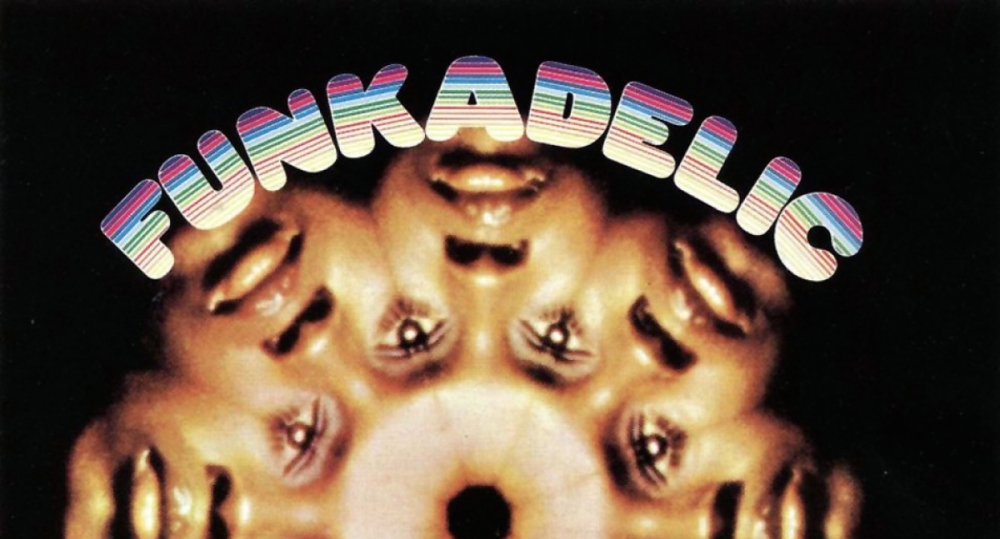
Derived in part from French and Latin words for "smoke" (as in smoked cheese), the word "funk" has held a vast array of definitions since the 14th century, variously meaning: a spark, a cowering state of fear, an ill humor, a pungent odor (as of cheese), and, of course, a funky fresh American musical genre… Continue reading The Etymology of “Funk”
The Etymology of “Hippocampus”

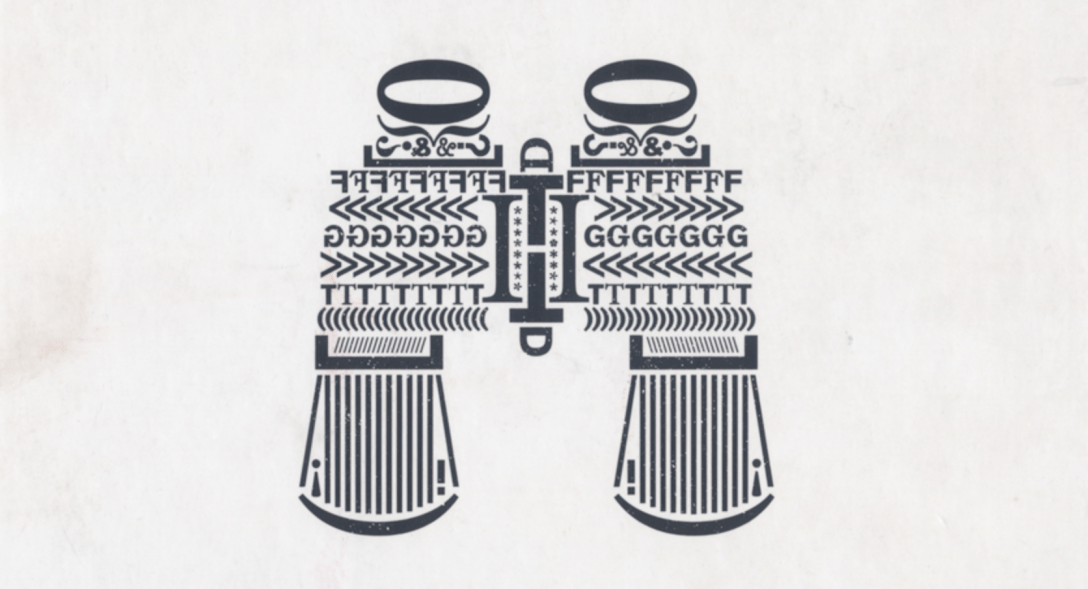
Hippocampus, which literally means "horselike sea monster," was also another word for a seahorse. The part of the brain is named after its resemblance to a seahorse, though the term was debated for many years before it became more common in the medical field. I know, this one seems sort of obvious—and maybe even common… Continue reading The Etymology of “Hippocampus”
The Etymology of “Scalawag” (or “Scallywag”)

While it always held the connotation of “disreputable fellow,” “scalawag” first referred to trade unionists, ponies, and post-Civil War anti-Confederate Southern white people; it held no association with pirates until it appeared in novels and plays about seafaring swashbucklers the late 1800s. Scalawag—also spelled scallawag or scallywag, if you prefer—is a remarkable term. Not only… Continue reading The Etymology of “Scalawag” (or “Scallywag”)
The Etymology of “Medusa”
The Greek name of the Gorgon Medusa (Medousa) means "guardian," from medeiun ("to protect, rule over"). Medusa is also the genus name for jellyfish, comparing their tentacles to the snakes in place of her hair, and their sometimes-deadly sting to her ability to turn those who saw her face to stone. note that the character… Continue reading The Etymology of “Medusa”
The Etymology of “Dragon”
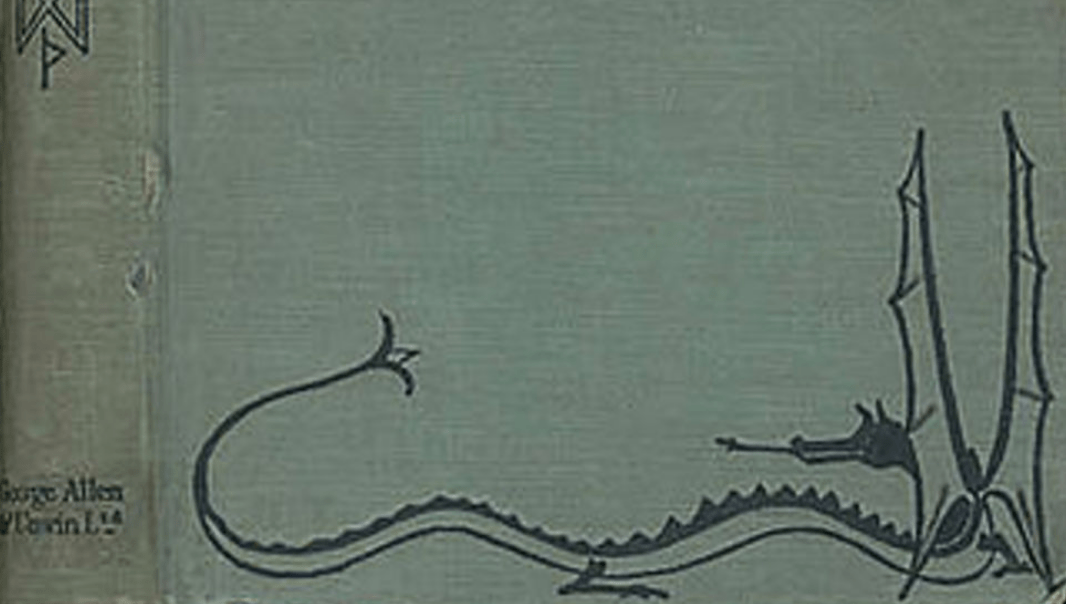
"Dragon" comes from the Latin draconem, meaning "huge serpent, dragon," which in turn is from the Greek drakon, "serpent, giant seafish." The PIE root derk- "to see," suggests that the literal sense of drakon was "the one with the (deadly) glance." The sense of "glance" or "gaze" in the Greek drakon also appears in the stem… Continue reading The Etymology of “Dragon”
The Etymology of “Dizzy”
The word "dizzy" evolved from the Old English dysig, meaning "foolish, stupid," from the Proto-Germanic dusijaz and perhaps from the PIE dheu-, "dust, vapor, smoke; to rise in a cloud," suggesting "defective perception or wits." Its swimmy-headed sense arose in the 14th century. Some early English translations of the Bible refer to the foolish virgins… Continue reading The Etymology of “Dizzy”
 Useless Etymology